


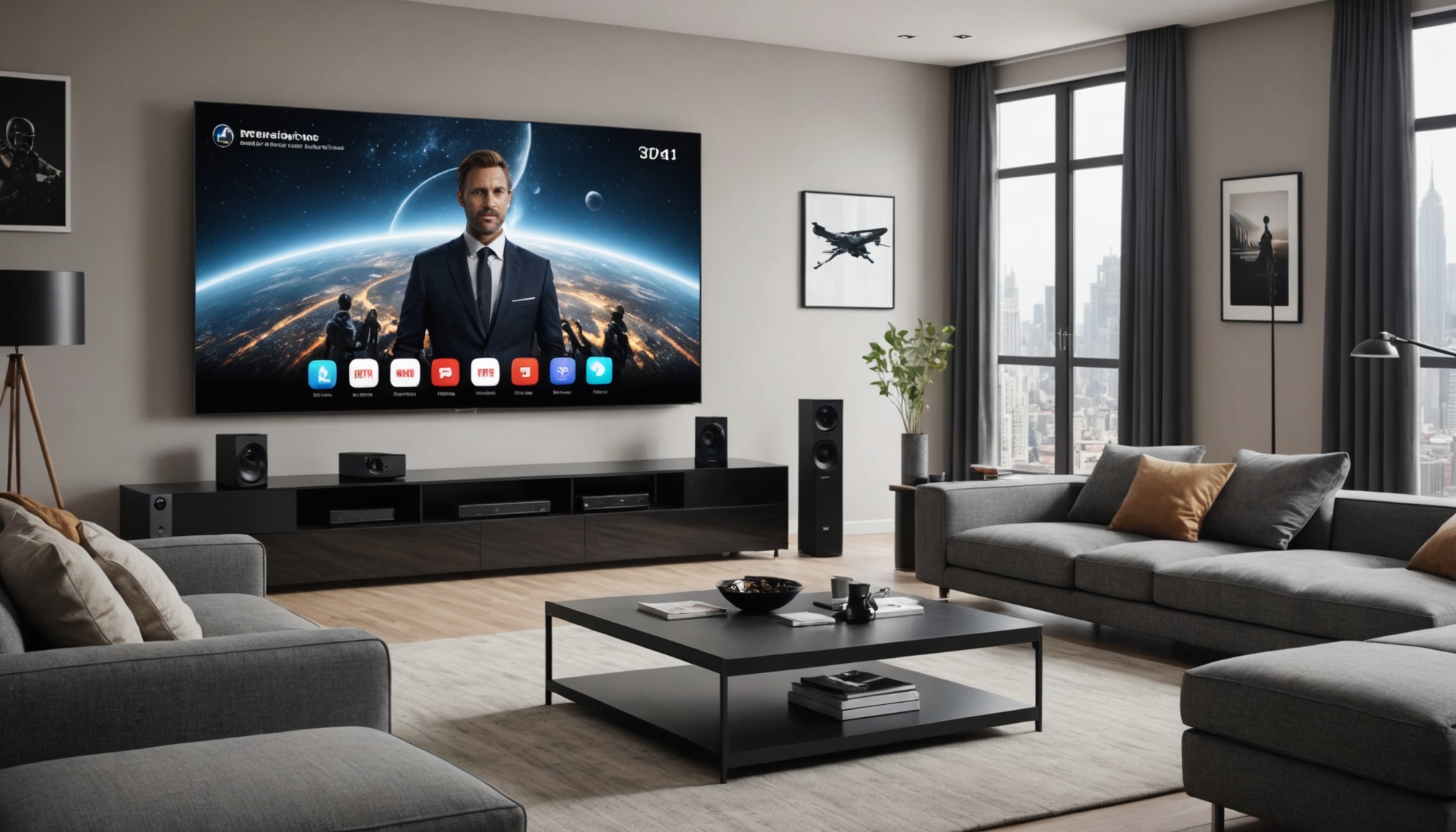
Best IPTV Box Hardware Comparison 2026
Introduction to IPTV Box Hardware
What is an IPTV Box?
IPTV boxes are devices that enable you to stream television content over the internet rather than through traditional terrestrial, satellite, or cable formats. These boxes decode the digital signals sent over the internet and present them as viewable content on your television. In 2026, the best IPTV box hardware comparison is all about evaluating which device offers the best streaming quality and user experience.
Importance of Hardware in IPTV Streaming
The hardware of an IPTV box plays a significant role in determining the quality of your streaming experience. From the processing power to the supported protocols, each component influences how well the device performs. An optimal IPTV box should ensure smooth streaming with minimal buffering, support for high-definition content, and compatibility with various streaming services.
Key Features to Consider in 2026
Supported Protocols
When choosing an IPTV box in 2026, supported protocols are crucial. Look for devices that support HLS (HTTP Live Streaming), DASH (Dynamic Adaptive Streaming over HTTP), and RTSP (Real-Time Streaming Protocol). These protocols help manage streaming quality dynamically, ensuring a more stable viewing experience even with fluctuating internet speeds.
Video and Audio Codecs
In 2026, having support for the latest video and audio codecs is non-negotiable. The best IPTV boxes should support H.265 (HEVC) for video, which offers better compression without sacrificing quality, and AAC or Dolby Digital for audio, ensuring crisp sound. Proper codec support means less buffering and a richer viewing experience.
Connectivity Options
Connectivity is another critical factor. Ensure your IPTV box supports both Ethernet and Wi-Fi connections. For those with high-speed internet, a gigabit Ethernet port is a must for the most reliable connection. Wi-Fi 6 (802.11ax) support is also a plus for wireless setups, offering better speed and reliability.
Processing Power
Processing power dictates how efficiently your IPTV box can handle high-definition and 4K content. A quad-core processor with at least 2GB of RAM is recommended for smooth performance. This ensures that your device can handle multiple tasks, such as decoding high-bitrate streams and running apps simultaneously, without lagging.
Top IPTV Box Hardware Options
Device A Overview
Device A is a powerhouse that excels in streaming 4K content seamlessly. It features a quad-core processor, 3GB of RAM, and dual-band Wi-Fi 6 support. This device is designed for users who demand high performance and reliability, making it a top contender in the best IPTV box hardware comparison 2026.
Device B Overview
Device B offers a great balance of performance and affordability. With a dual-core processor and 2GB of RAM, it supports H.265 video decoding and features a user-friendly interface. It's an excellent choice for those who want quality streaming without breaking the bank.
Device C Overview
Device C stands out for its comprehensive connectivity options, including USB 3.0 and Bluetooth 5.0. It’s equipped with a solid processor and 2.5GB of RAM, making it versatile for both media streaming and light gaming. This device is ideal for users looking for a multifunctional IPTV box.
How to Choose the Right IPTV Box
Assessing Your Streaming Needs
Understanding your streaming habits is the first step. If you're a casual viewer, a basic IPTV box might suffice. However, if you stream high-definition or 4K content regularly, opt for a more powerful device. Consider the types of content you watch and the services you subscribe to.
Budget Considerations
Price is always a consideration. While it's tempting to go for the cheapest option, investing a bit more in a quality device can save you from potential frustrations like buffering and limited support for high-definition content. Set a budget but allow for some flexibility if it means getting a significantly better product.
Future-Proofing Your Purchase
Think ahead. The best IPTV box hardware in 2026 should support the latest technologies and have the potential to keep up with future updates. Look for devices that offer regular firmware updates and support emerging protocols and codecs. This ensures longevity and relevance in your streaming setup.
Technical Considerations for IPTV
Bitrate and Streaming Quality
Bitrate impacts the quality of your stream, with higher bitrates offering better quality. A good IPTV box should handle 5-10 Mbps for HD and 25 Mbps for 4K content. Check if your device offers adaptive bitrate streaming, adjusting quality based on available bandwidth to minimize buffering.
Network Requirements
Your network setup greatly influences your IPTV experience. Ensure you have a stable internet connection, ideally over 25 Mbps for 4K streaming. If your internet is limited, choose a box that efficiently manages lower bandwidth to prevent interruptions.
Firmware and Software Updates
Firmware updates are crucial for maintaining device security and performance. An IPTV box with regular updates ensures compatibility with new standards and protocols, enhancing your streaming experience. Always check the manufacturer’s track record for providing timely updates.
Q: What is the best IPTV box for 2026?
The best IPTV box in 2026 will depend on your specific needs, but generally, look for devices with high processing power, support for the latest codecs, and comprehensive connectivity options. Regular firmware updates and future-proofing features are also key factors.
Q: How do I set up an IPTV box?
To set up an IPTV box, connect it to your TV using an HDMI cable, then connect to your internet via Ethernet or Wi-Fi. Follow the on-screen instructions to log into your IPTV service and configure settings such as video resolution and audio preferences.
Q: Can I use any IPTV box with my service?
Not all IPTV boxes are compatible with every service. Check if the box supports the specific protocols and formats used by your IPTV provider. Additionally, ensure the device is not restricted by region or service provider limitations.
Q: What are the minimum specs for an IPTV box in 2026?
For optimal performance in 2026, look for an IPTV box with at least a dual-core processor, 2GB of RAM, support for H.265 video decoding, and both Ethernet and Wi-Fi connectivity options.
Q: How do firmware updates affect IPTV boxes?
Firmware updates are essential as they enhance device security, fix bugs, and ensure compatibility with the latest streaming standards. Regular updates can significantly improve your IPTV box's performance and extend its lifespan.